Radon is an invisible, odorless gas that poses a hidden risk to homeowners in Salt Lake City and throughout Utah. This naturally occurring radioactive gas forms from the decay of uranium in soil, rock, and water, and it can seep into homes through cracks and gaps in the foundation.
In Salt Lake City, a combination of unique geological formations and climate factors contributes to elevated radon levels in some areas, making it essential for residents to understand the risks, learn how to test for radon, and implement mitigation strategies if necessary.
Get a Free Quote
Understanding Radon and Its Sources
Before delving into specifics about radon in Salt Lake City, it is helpful to understand what radon is and where it comes from. Here are some key points:
- Origin: Radon is produced by the natural breakdown of uranium found in soil and rocks.
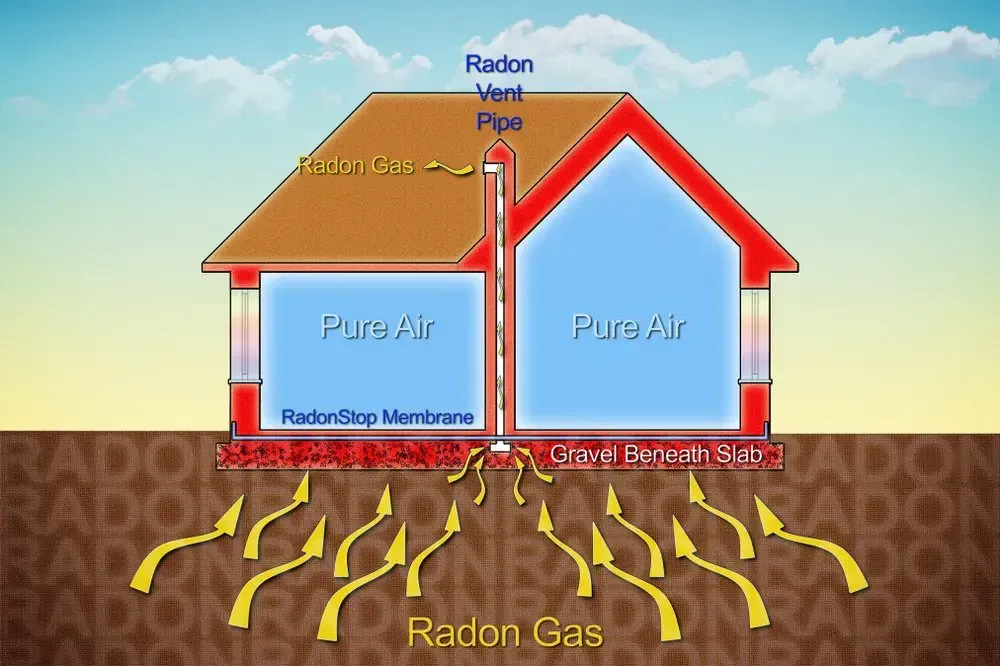
- Entry Points: The gas can enter homes through cracks in the foundation, gaps around service pipes, construction joints, and other openings.
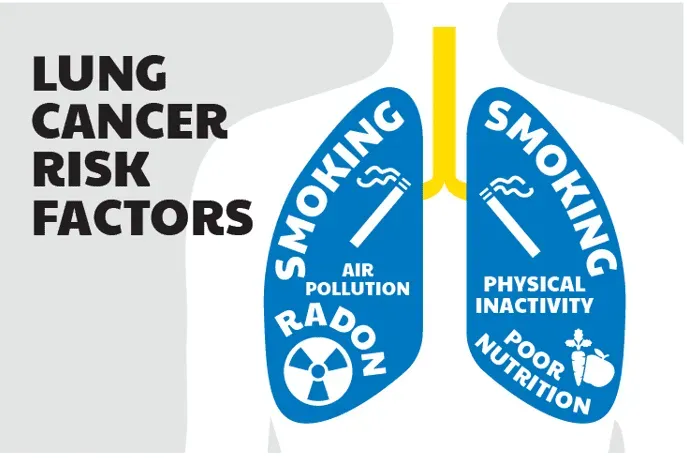
- Health Risks: Long-term exposure to elevated radon levels can increase the risk of
lung cancer. It is the second leading cause of lung cancer in the United States after cigarette smoke.
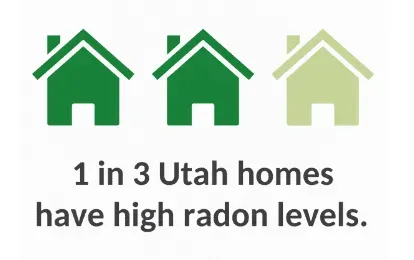
Because radon is both colorless and odorless, the only way to know if your home has elevated levels is through testing. Homeowners in Salt Lake City are encouraged to initiate testing programs, especially in areas known for higher geological radioactivity.
Why Salt Lake City Is at Risk
Salt Lake City is not immune to radon issues, largely due to certain environmental conditions that favor its accumulation. Here are some factors that contribute to the risk:
- Geological Factors: The soil and rock around Salt Lake City contain natural deposits of uranium. As the uranium decays, radon gas forms, and the
local geology can lead to pockets of elevated concentrations.
- Climate Conditions: The region’s meteorological conditions, including temperature inversions and lower wind speeds, can reduce the dispersion of radon, allowing it to concentrate in basements and lower levels of homes.
- Building Practices: Older homes or structures with insufficient foundation sealing are more susceptible to radon infiltration. Newer construction techniques have improved, but even modern homes can have issues if the radon barrier is compromised.
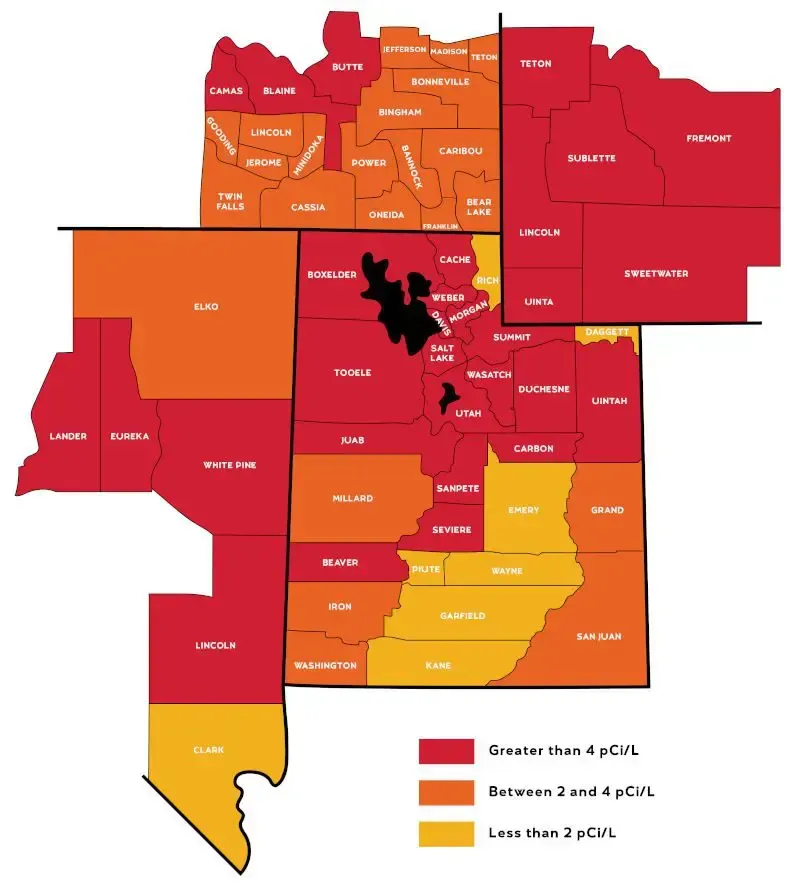
Interactive maps and local geological surveys often highlight some neighborhoods in Salt Lake City as having higher average indoor radon levels. You can refer to the
Utah radon map to see which areas are most affected.
How to Test for Radon in Your Home
Testing for radon in your Salt Lake City home is the first step toward ensuring a safe living environment. There are several approved methods for radon testing:
- Short-Term Tests: These tests typically last between 2 and 90 days and are a convenient way to get a preliminary reading. They are ideal for quickly assessing whether radon is a concern.
- Long-Term Tests: Over a period of more than 90 days, these tests provide a more accurate picture of the year-round radon average in your home. They are particularly useful in areas like Salt Lake City, where
seasonal variations may occur.
Here’s how you can test your home for radon:
- Purchase a Test Kit: Many hardware stores, online retailers, or local environmental agencies offer
certified radon test kits.
- Follow Instructions Meticulously: Each kit comes with detailed instructions. It is important to follow these carefully to ensure accurate readings.
- Place the Device Correctly: Test kits should be placed in the lowest livable area of your home. This is typically a basement or first floor, as radon tends to accumulate at ground level.
- Send for Analysis: Once the testing period is complete, send the device to an accredited laboratory for analysis. Results will indicate whether your home’s radon levels exceed the EPA’s recommended action level of
4 picocuries per liter (pCi/L).
For added assurance, consider hiring a
professional radon testing specialist in Salt Lake City. Professionals have the expertise to ensure accurate measurements and can help interpret the results. If you need help with testing,
contact us today to speak with a radon testing specialist in Salt Lake City.
Mitigation Solutions for Elevated Radon Levels
If your home is found to have elevated radon levels, it is important to take prompt action. Radon mitigation systems are highly effective in reducing indoor radon levels by preventing its entry into the home or by venting the gas outside before it can accumulate.
Consider these common mitigation methods:
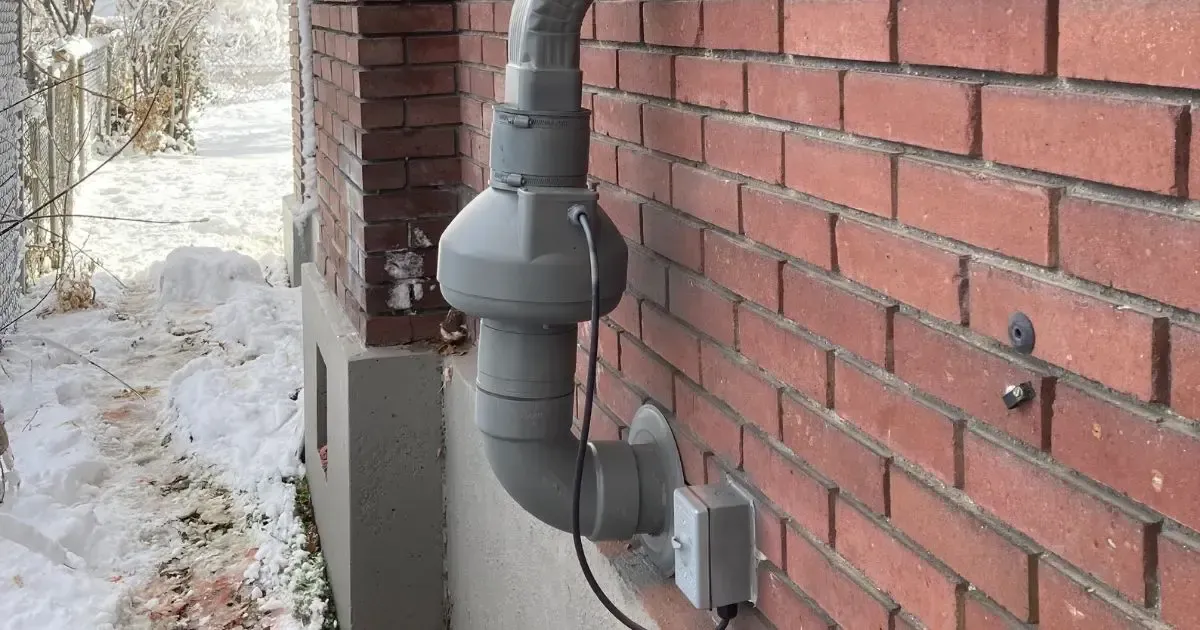
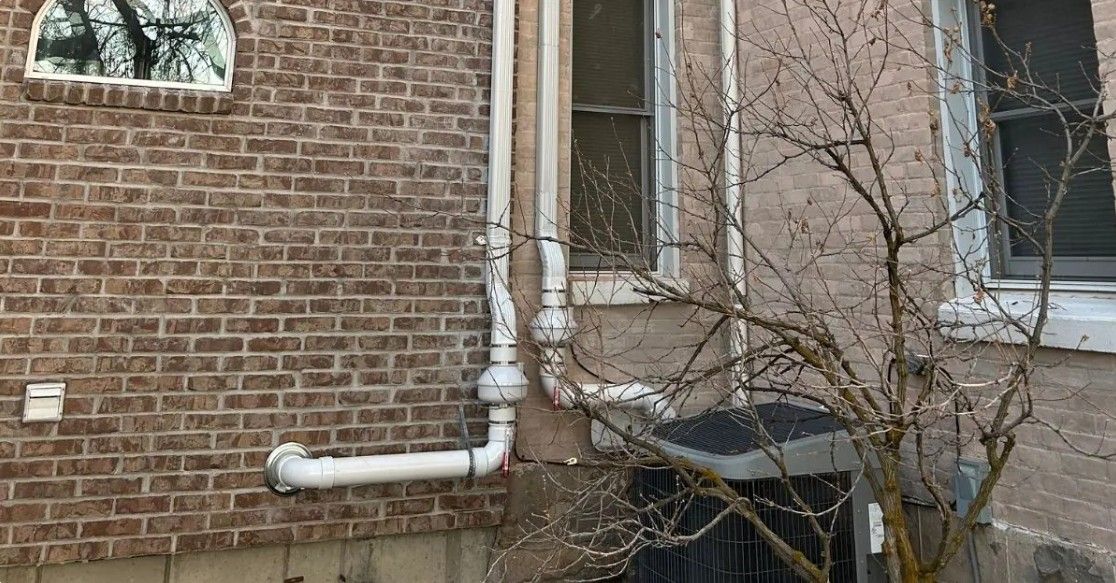
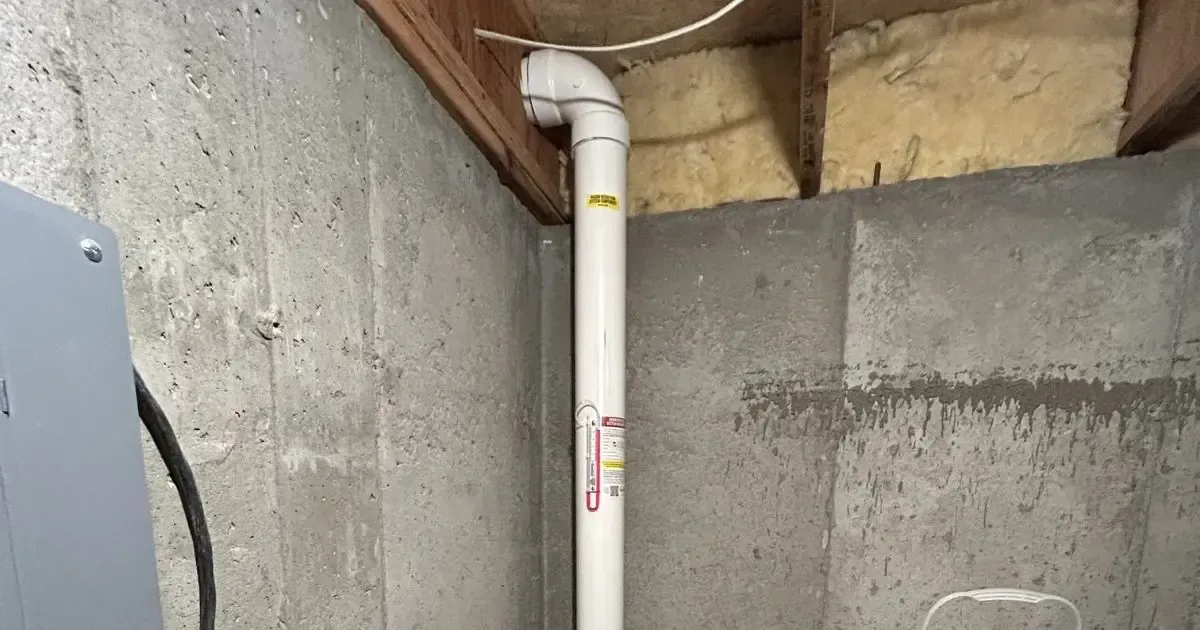
- Sub-Slab Depressurization: This is the most common method for radon mitigation. It includes installing a vent pipe system and fan that pulls radon from beneath the house and vents it safely outdoors.
- Sealing Cracks and Openings: While sealing cracks in the foundation is not a standalone solution, it does complement other mitigation strategies by reducing radon entry points.
- Improving Home Ventilation: Increasing ventilation in the home can help dilute the radon concentration. Mechanical ventilation systems can be an effective supplement to other methods.
Here are a few steps to consider when planning a mitigation strategy:
- Consult with a Professional: A
certified radon mitigation contractor can assess your home and recommend the best course of action.
- System Installation: The
radon mitigation system will be installed according to your home’s specific layout to ensure effectiveness.
- Post-Mitigation Testing: After the installation, it is essential to conduct
follow-up testing to ensure that radon levels have been reduced to acceptable levels.
Our team of experts in Salt Lake City has the experience and certification to design and install effective radon mitigation systems.
Contact us to schedule a consultation and safeguard your home.
Additional Considerations for Salt Lake City Homeowners
Radon testing and mitigation are important steps, but there are additional considerations for Salt Lake City residents:
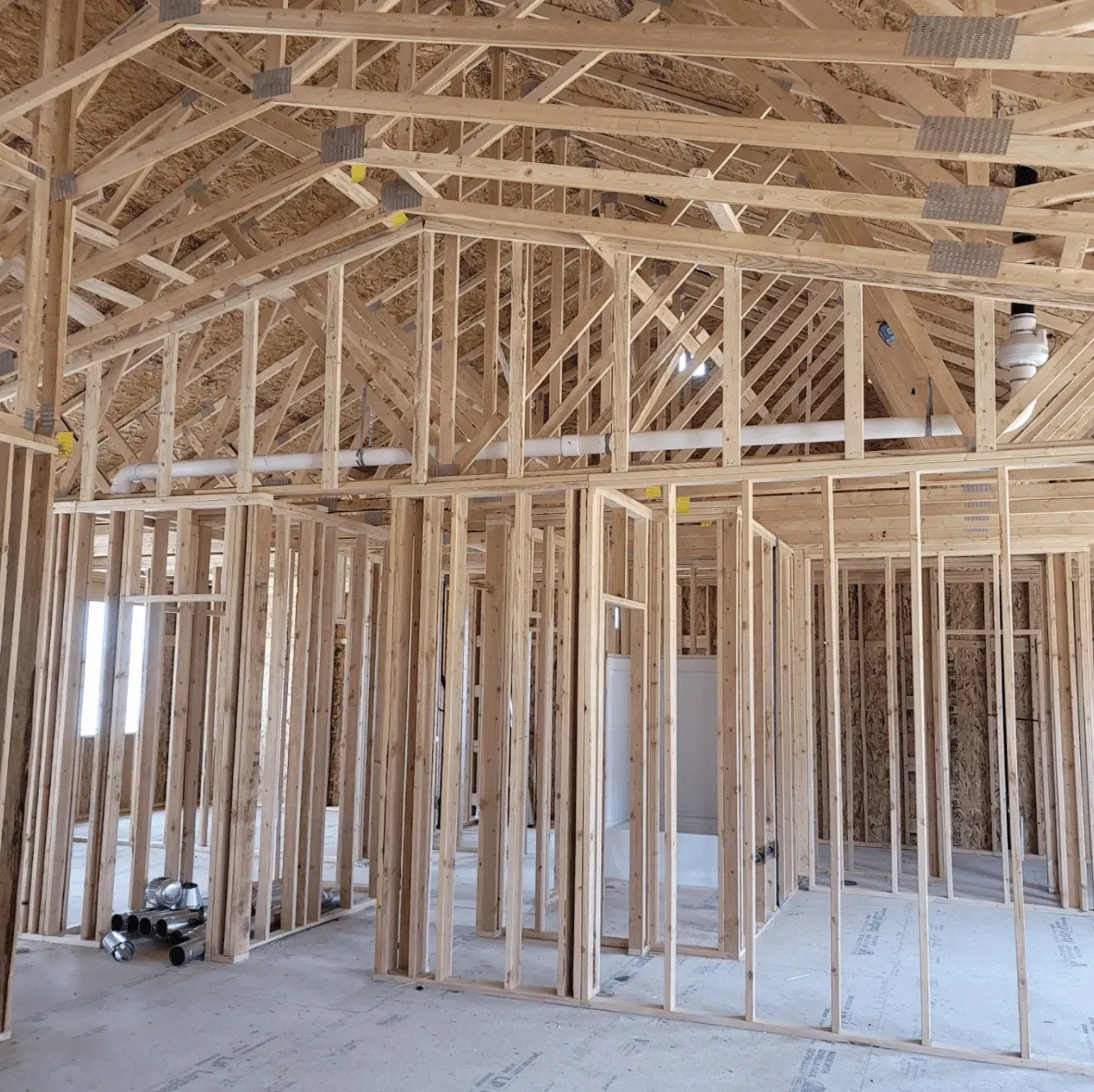
For homeowners planning renovations or new constructions, consider installing a
radon-resistant construction (RRC) system during the build phase. This can be a cost-effective way to prevent radon issues in the future while adding value to your property.
Seasonal Variations and Testing Frequency
Radon levels in your Salt Lake City home can vary depending on the season. Here’s what homeowners should know about seasonal changes:
- Winter Months: During cold winter months, homes are typically closed up to conserve energy. This can lead to higher concentrations of radon indoors as the gas accumulates over time.
- Summer Months: Increased ventilation in the summer may cause radon levels to drop, but occasional summer spikes can also occur due to changes in atmospheric pressure. Learn more about
spring radon checks in Utah and when to schedule your next test.
- Testing Frequency: Experts recommend
testing your home at least once every two years. However, if your home shows levels near the action threshold, consider testing more frequently or after structural changes.
Regular testing ensures that any changes in radon concentration are identified promptly, allowing homeowners to take necessary mitigation steps if needed.
Frequently Asked Questions
Below are some commonly asked questions regarding radon in Salt Lake City:
What Level of Radon is Considered Dangerous?
The EPA recommends action if radon levels reach or exceed 4 pCi/L. However, any detectable radon in your home is worth monitoring.
How Do I Know Which Radon Test to Choose?
Short-term tests provide a quick assessment, while long-term tests give a more accurate measure of average exposure. It may be beneficial to conduct both types of testing over different seasons.
Will My Existing Ventilation System Help Reduce Radon?
While some ventilation systems can help lower radon levels, they are rarely sufficient as a standalone solution. A specialized radon mitigation system is typically necessary for a significant reduction.
Final Thoughts
Radon exposure is a silent risk that can have serious health implications over time. For Salt Lake City residents, understanding the prevalence of radon in local environments and taking steps to test and mitigate the gas is critically important. By being proactive, you invest in your family’s long-term health and ensure that your home remains a safe environment.
Remember, the safety steps you take today can have lasting benefits for years to come. Testing for radon is quick and affordable, and the installation of mitigation systems is a reliable investment in your health. Whether you’re buying a new home, planning renovations, or simply concerned about radon levels, now is the time to educate yourself and take action.
Our team of professionals in Salt Lake City is ready to assist with every step of the process—from initial testing to comprehensive mitigation strategies. Take charge of your home’s safety today. If you are ready to begin, contact us for a consultation and let us help you secure a radon-safe environment for you and your loved ones.
Get a Free Quote
![Blue periodic table tile for radon, element 86, with symbol Rn and mass [222].](https://le-cdn.hibuwebsites.com/09c3a4288d5947b58ca8220076f73b94/dms3rep/multi/opt/radon-periodic-table-rn-86-radon-be-gone-1920w.webp)